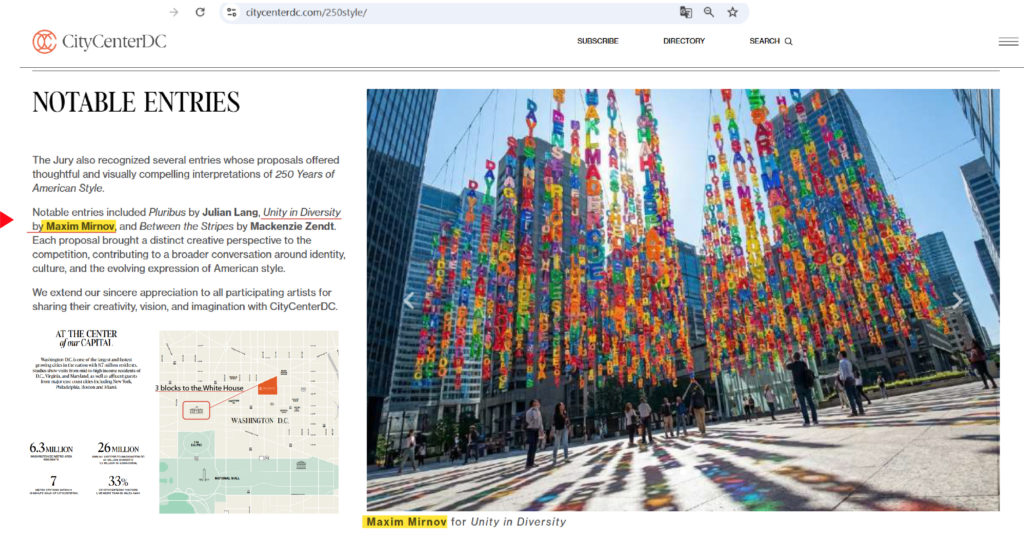
Unity in Diversity
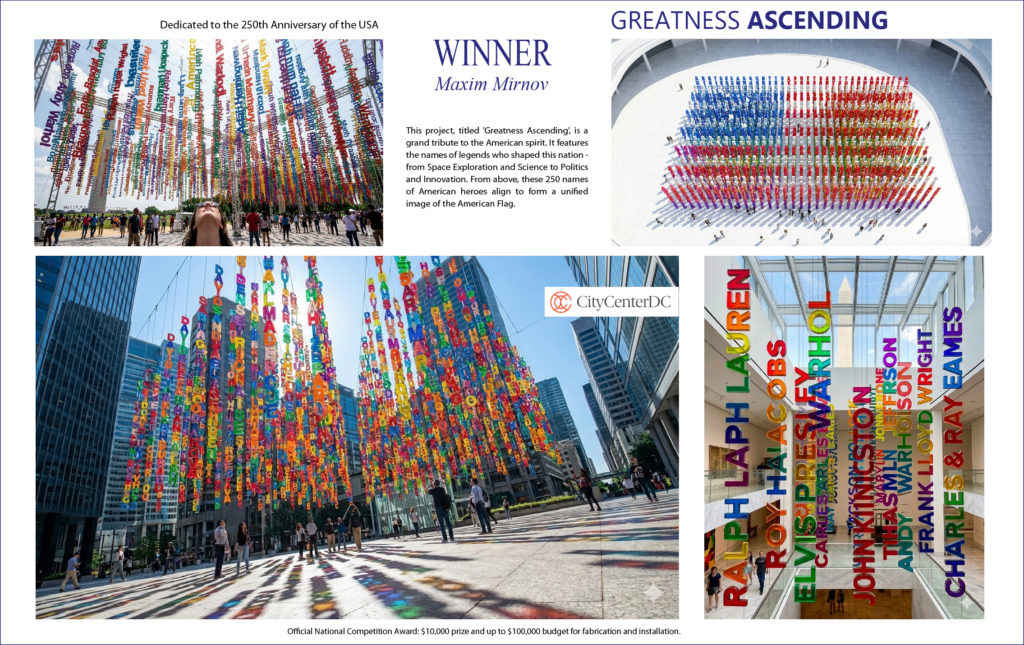
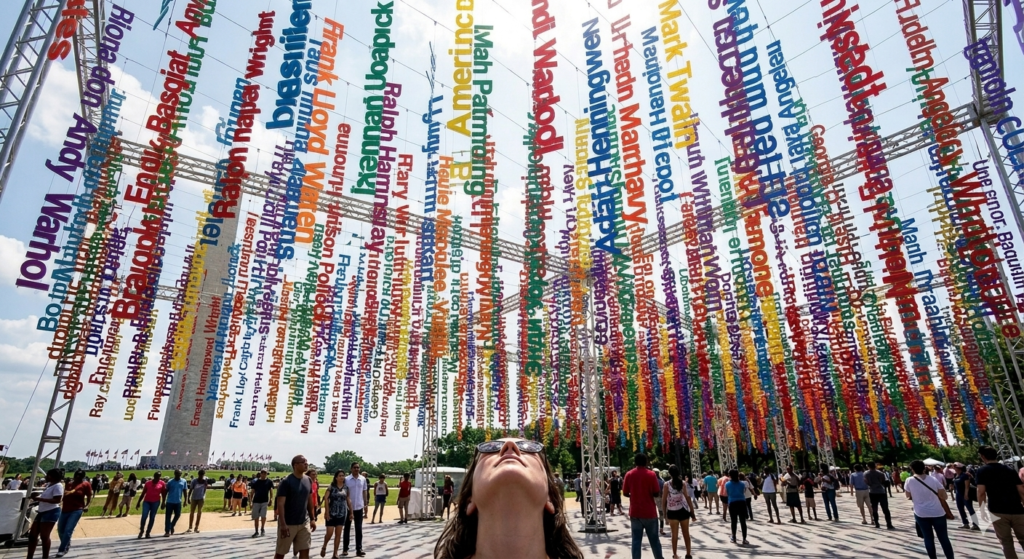
The Legacy Installation is a vibrant, kaleidoscopic forest of names. Each name — from Washington to Edison — is crafted in its own unique, complex palette: electric orange, deep emerald, vivid chartreuse. This explosion of color represents the raw energy and diverse backgrounds of the individuals who built the American aesthetic. It’s a celebration of the ‘Melting Pot’ — different characters, different roots, one shared influence.
To bridge the gap between history and the future, an interactive digital monolith accompanies the installation. Visitors can explore the stories of all 250 icons, learning how a single vision became a national milestone. Furthermore, the public becomes a co-creator: through the interface, guests can vote for the icons of the next generation, nominating those who will define the American Legacy by the 300th anniversary.
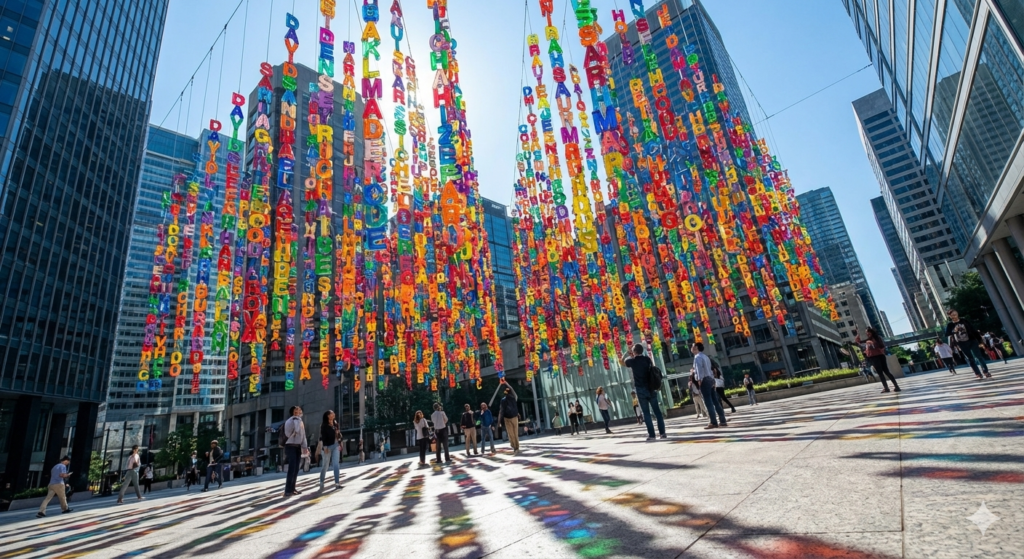
The true magic of the installation is revealed from above /The Drone View. What appears as a chaotic burst of individuality from the ground aligns into a disciplined and harmonious composition from the sky. Every ‘crown’ of the suspended names is color-coordinated to form a monumental American Flag, celebrating the 250th anniversary of the nation.
This represents a fantastic convergence of moments: 250 individuals, 250 years, and one unified identity. By raising our perspective, we see how the diverse ‘shades’ of our history — Pioneers of Science & Space, Architects of Democracy, Industrial Titans & Innovators, Cultural Icons — collectively build the very fabric of the United States. This is a visual manifestation of E Pluribus Unum, where the diversity of the individual becomes the strength of the whole.
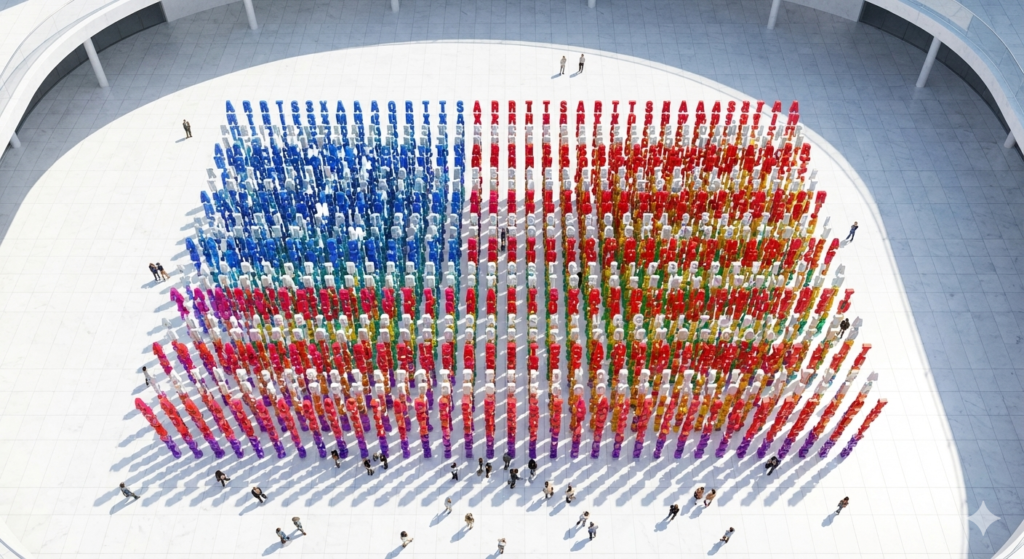
For the first time in the history of sculptures and monuments, a 360-degree omnidirectional perspective is integrated from every angle. Until now, monuments have been designed solely from a ground-level view. This is the first proprietary 360-degree monument where the top aerial view rivals the primary frontal experience from below in importance.
Digital Integration: Interactive terminals at the site and screens throughout the venue will broadcast
cinematic drone fly-throughs. This ensures every visitor experiences the «Top View» revelation.
The People’s Choice: The terminals feature a voting system where visitors learn about the 250 icons and nominate future legends for the 300th anniversary.
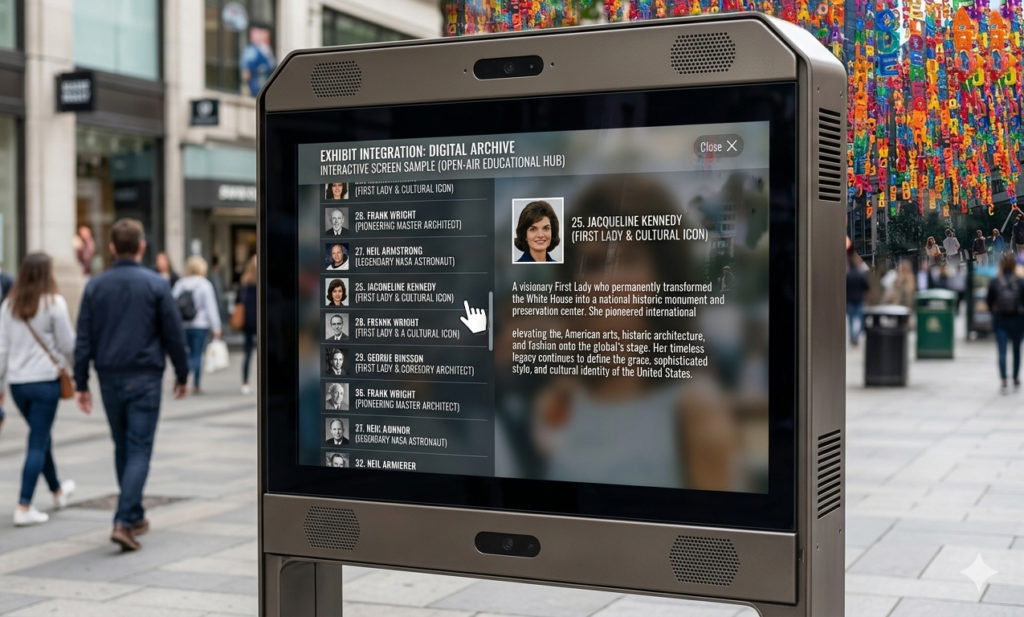
The installation serves as an open-air educational hub, establishing a dynamic conversation between the public and our shared national legacy. School groups, tourists, and students use this space as a living classroom to explore the evolution of the American spirit. Through integrated interactive digital interfaces and responsive systems, visitors can instantly access a deeply curated historical archive for each of the 250 names, transforming a static monument into an immersive civic repository.
The interactive framework is engineered to showcase the multidimensional impact of American pioneers across diverse epochs:
The Cultural Dimension (Jacqueline Kennedy): Commemorating her visionary historic preservation of the White House and her pioneering role in international cultural diplomacy, which permanently elevated American arts onto the global stage.
The Visual Arts Revolution (Andy Warhol): Honoring the legendary pioneer who redefined the relationship between mass culture and fine art, fundamentally re-engineering global visual language and defining the modern pop aesthetic.
The Architectural Vanguard (Frank Lloyd Wright): Documenting the revolutionary philosophy of «organic architecture» that harmonized structural engineering with the natural landscape, redefining modern American spatial aesthetics.
The Aerospace Frontier (Neil Armstrong): Honoring the historic Apollo 11 commander whose monumental step catalyzed a new technological era, cementing American scientific and aerospace supremacy.
The Technological Foundation (Nikola Tesla): Showcasing the electrical engineering genius whose alternating current patents and wireless innovations directly built the infrastructure of the modern industrial world.
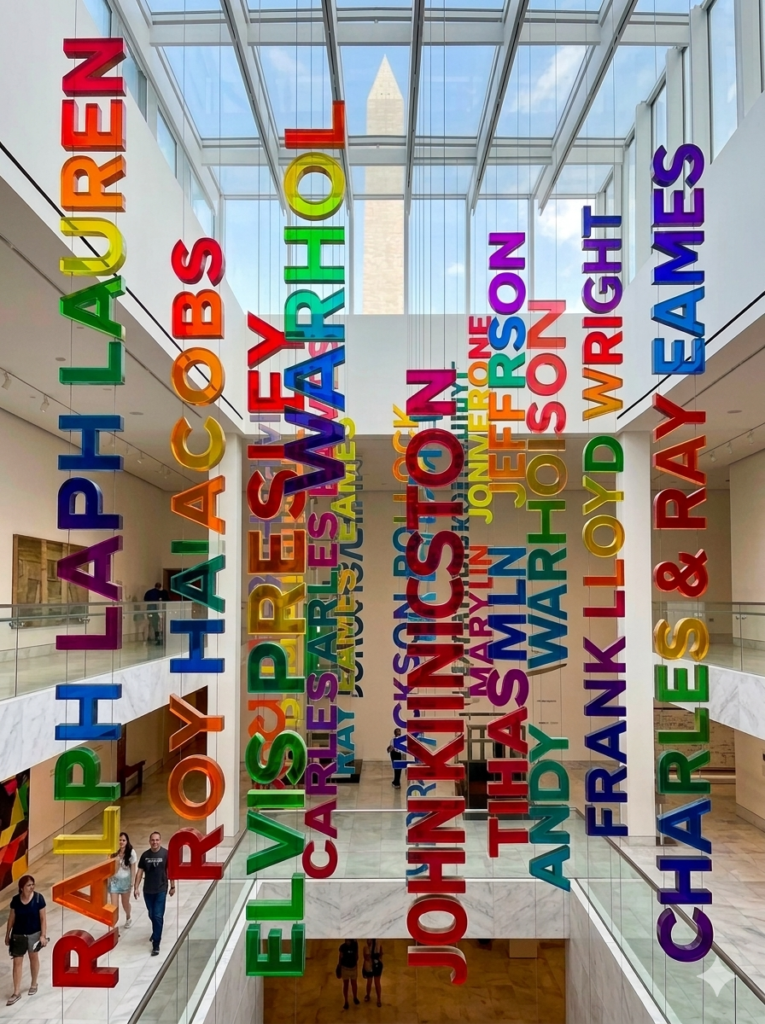
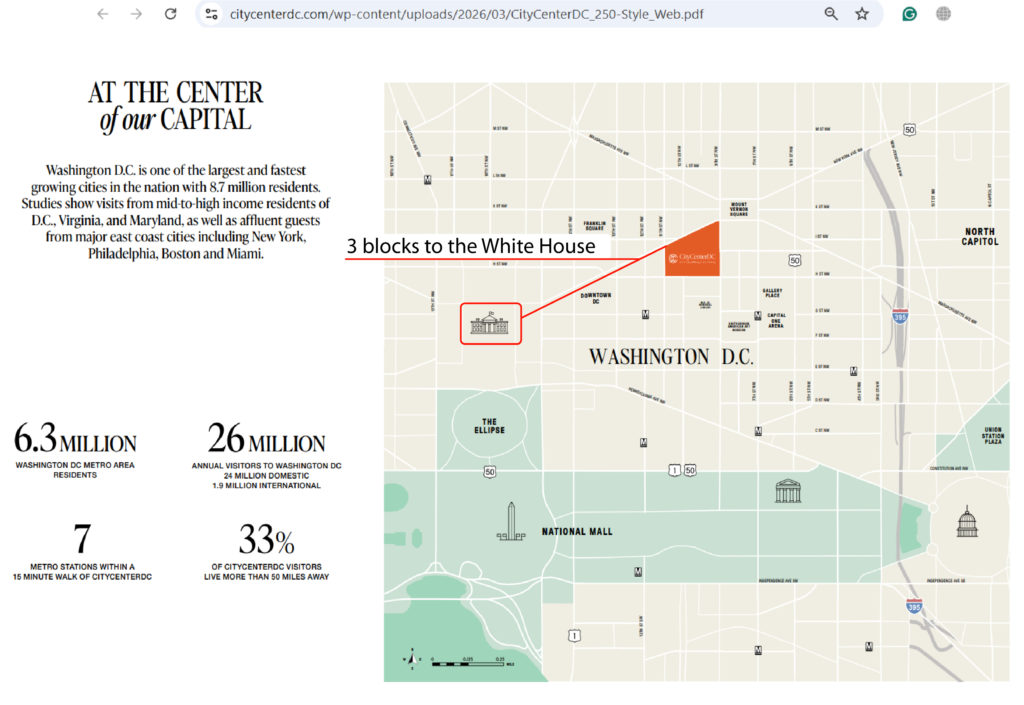
The project won the Award-Winning National Prize Top-3 at the U.S. National Art Competition for the 250th American Anniversary in Washington, D.C., located just three blocks from the White House, featuring a $110,000 production program budget.